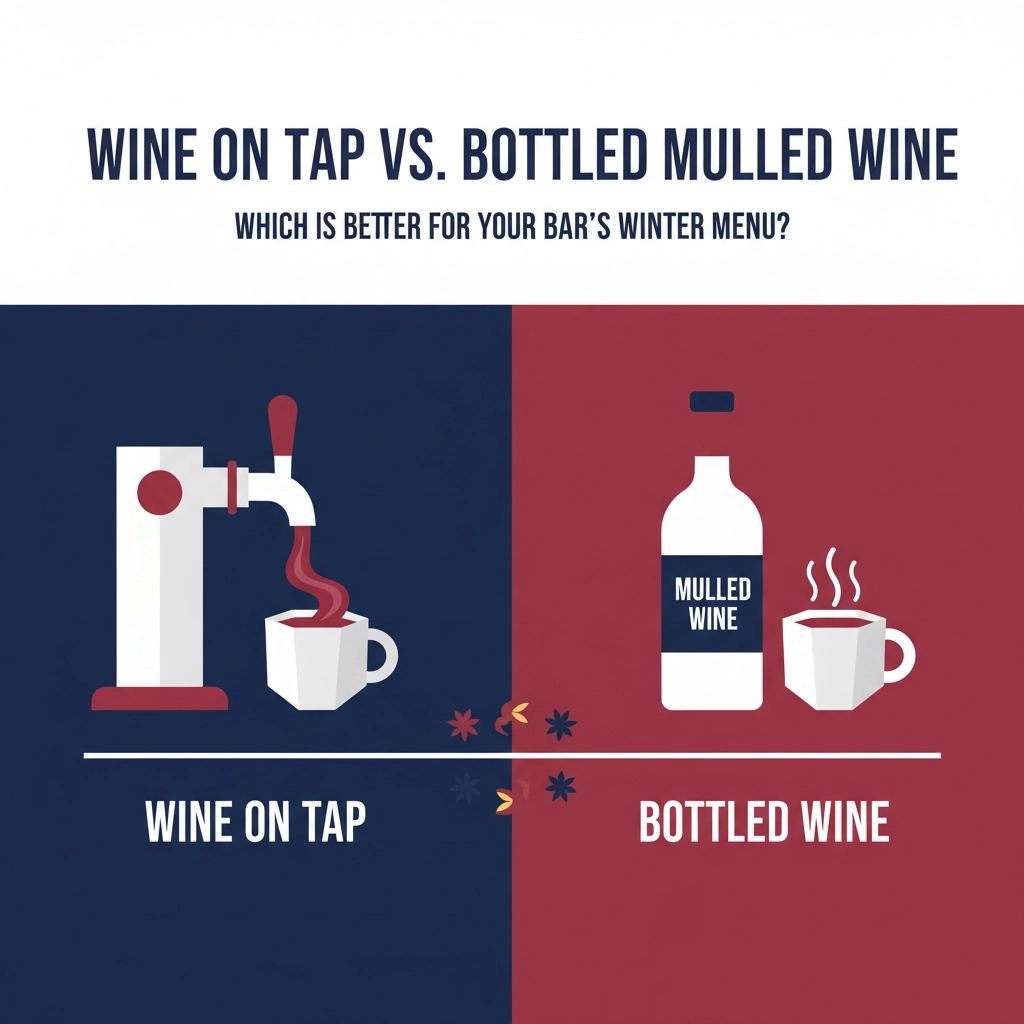
Winter is coming, and if you’re running a bar or restaurant, you’re probably thinking about how to warm up your drink menu. Two popular options keep coming up in conversations: wine on tap systems and bottled mulled wine. Both have their merits, but which one’s really going to serve your business better this season?
Let’s dive into this comparison so you can make the best choice for your establishment. We’ll look at everything from cost and convenience to customer experience and profit margins.
The Case for Wine on Tap: Fresh, Fast, and Profitable
Wine on tap has been gaining serious momentum in the hospitality industry, and for good reason. When you’re serving wine from kegs, you’re getting exceptional freshness that bottled wine simply can’t match after it’s been opened. While customers all have different taste preferences, wine wholesalers (like Selten Wine) stock the mulled variety that is going to appeal to the greatest group of people – flavorful, aromatic, and consistent.
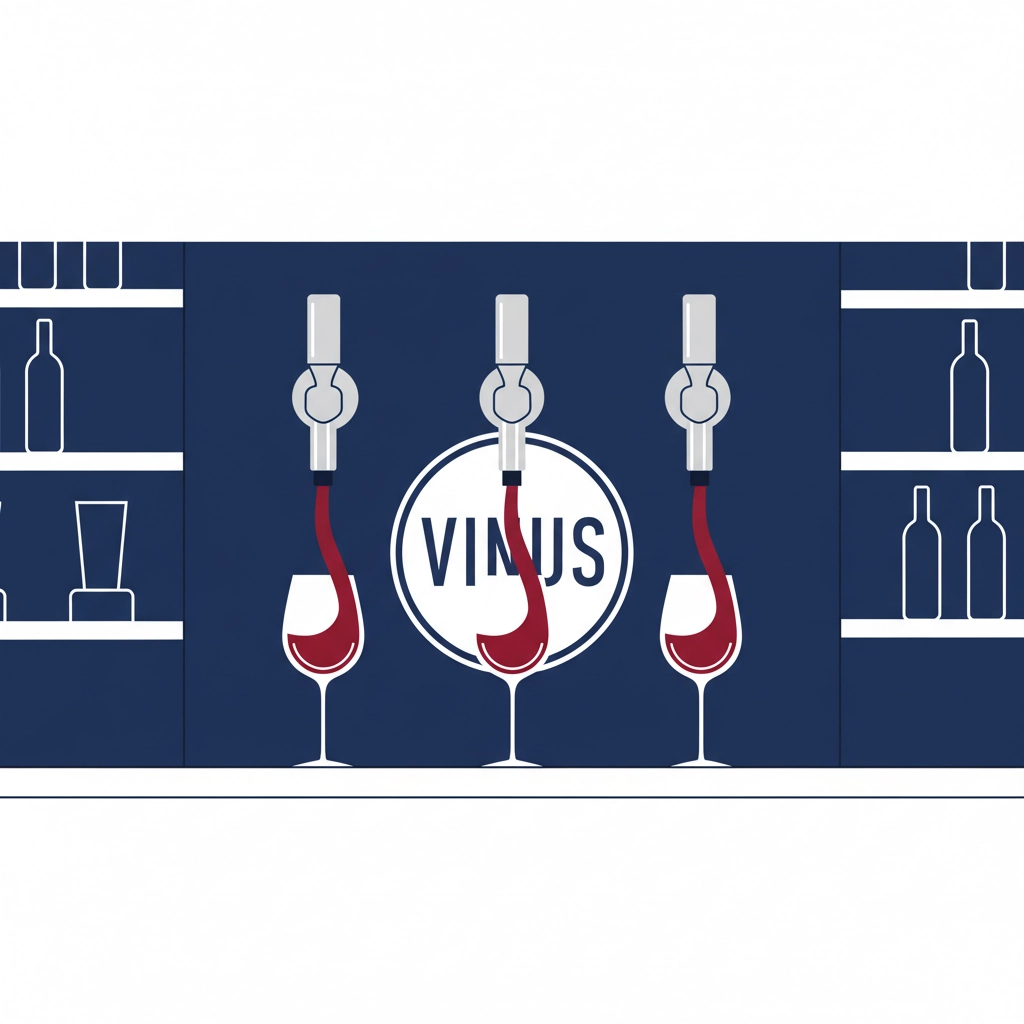
Each keg 20L holds roughly 90-100 glasses (and 30L hold 140-155) of 6.5oz wine: and stays fresh for up to three months once you’ve tapped it. Compare that to a bottle of wine that starts deteriorating within hours of opening, and you’ll see why many establishments are making the switch. The KeyKeg variety (https://www.keykeg.com/beverages/wine-keg/) has the mulled wine within a sealed gray bag on the inside, protecting it from Oxygen and UV light – the main killers of great wine.
Speed and Efficiency That Matters
Your bartenders will thank you for wine on tap. No more fumbling with foil, no more hunting for corkscrews, and definitely no more time wasting on getting the cups hot with wine during busy periods. Pour times drop significantly, which means happier customers and better table turnover.
We’ve seen bars significantly reduce their wine service time just by switching to tap systems. When you’re slammed on a Friday night, those seconds add up to minutes, and minutes add up to more satisfied customers because their wait has ended and thirst is quenched.
Cost Benefits You Can Bank On
Here’s where wine on tap really shines. According to Keykeg (https://www.keykeg.com/beverages/wine-keg/), one 20 L KeyKeg replaces almost 27 bottles of wine (a 30 L KeyKeg replaces 40), meaning 16 kg less glass waste and 1.6 kg less cardboard waste. Empty wine Kegs can be crushed to further save precious space too.
You’re eliminating all the packaging costs associated with individual bottles, and most establishments see their installation costs paid back within the first 3 kegs. The math is pretty straightforward: less waste from oxidation, no spoiled bottles, and better portion control all contribute to your bottom line.
Many bars find they can offer premium wines at more competitive prices: think $6-8 per glass instead of $10 and up. Your customers get better value, and you still maintain healthy margins.
Bottled Mulled Wine: Tradition Meets Convenience
Now, let’s talk about bottled mulled wine. This is where tradition meets the practical needs of running a busy establishment. Mulled wine has that nostalgic, cozy factor that regular wine just can’t replicate, especially during winter months. Some wine drinkers are red-only, others white, and others enjoy fruit wines, or want a non-alcoholic version. With bottled mulled wine, you have the flexibility to test your customer base to see what flavors resonate and what doesn’t.
The Seasonal Appeal Factor
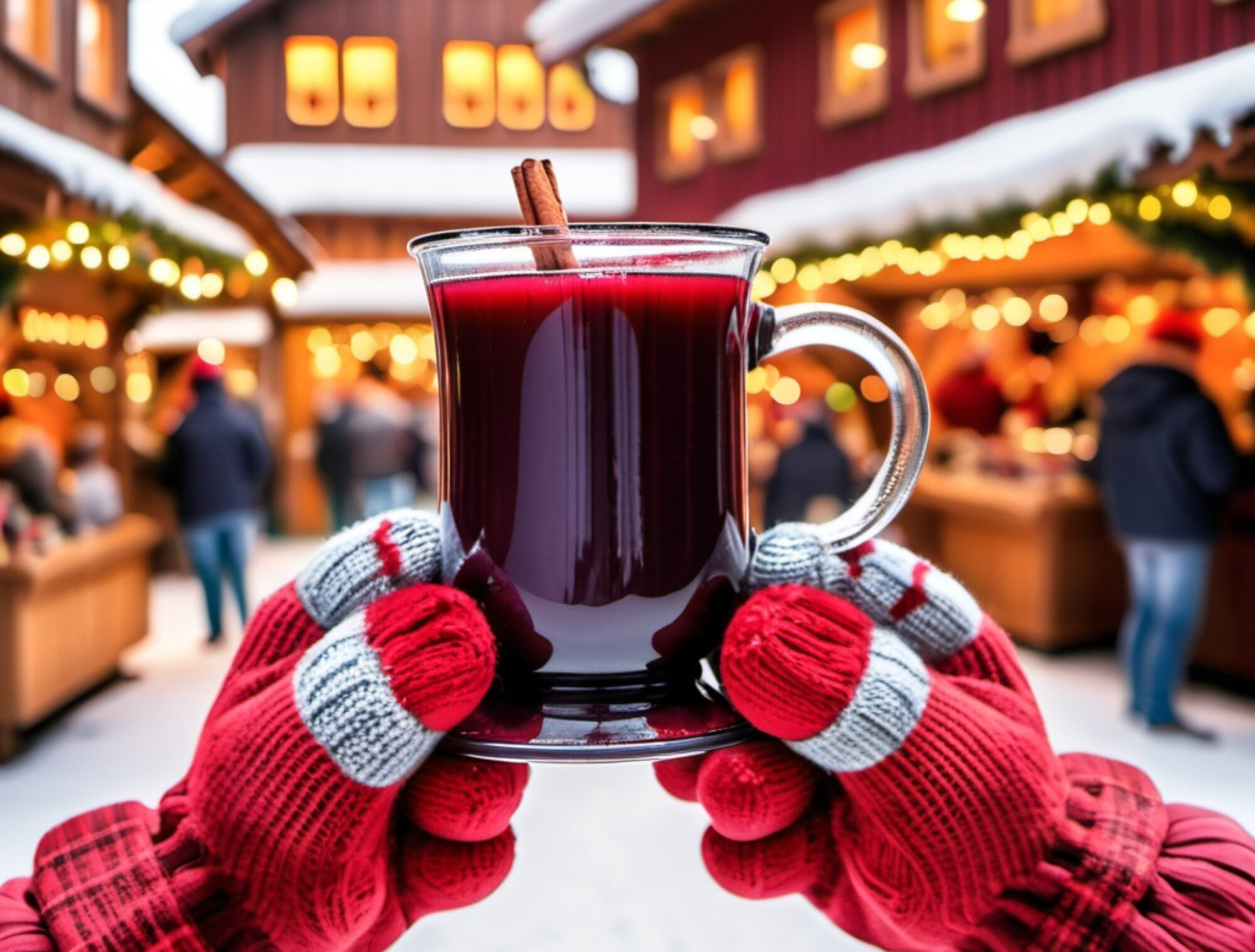
There’s something magical about serving mulled wine that goes beyond just the drink itself. It’s the aroma of cinnamon and cloves wafting through your establishment, the visual appeal of steam rising from warm glasses, and that instant “winter wonderland” atmosphere that customers crave during colder months.
Bottled mulled wine gives you this experience without the complexity of making it from scratch every day. You’re getting consistent flavor profiles, reliable quality, and the convenience of simply heating and serving.
Operational Simplicity
With bottled mulled wine, your staff training is minimal. Heat it up, serve it warm, and you’re done. There’s no need for specialized equipment beyond basic warming systems, and you don’t have to worry about recipe consistency across different shifts or bartenders.
The Real Cost Comparison
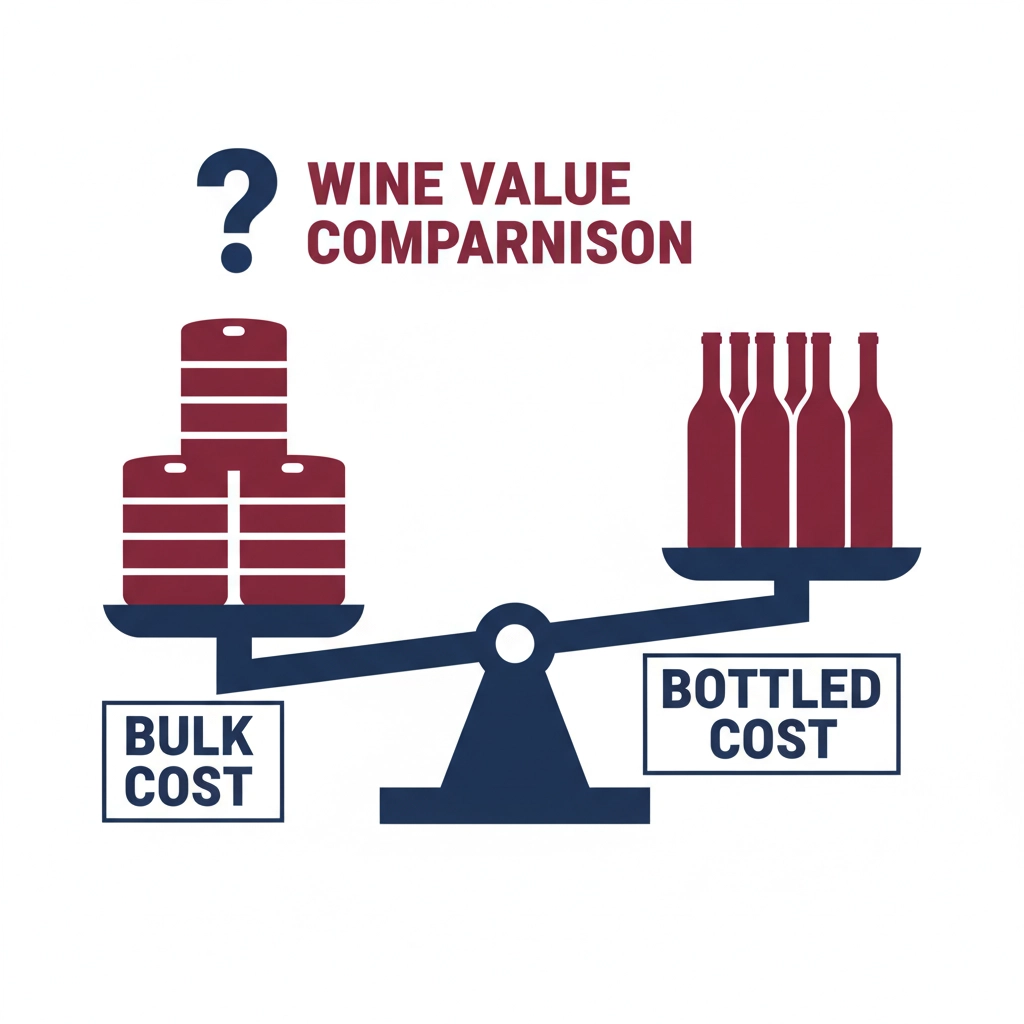
Let’s get into the numbers that matter to your business. Wine on tap typically requires an initial investment in dispensing equipment, but the ongoing costs are generally lower per serving. You’re looking at equipment costs that range from moderate to significant depending on how many taps you install, but the payback period is within the first few kegs per tap.
Bottled mulled wine has lower upfront costs: you mainly need warming equipment: but the per-bottle cost is typically higher. You also have the option of offering not just red wine, but the flexibility to keep on-hand stock of other flavors like white wine, non-alcoholic, blueberry, cherry, etc etc.
Volume Considerations
If you’re expecting high wine volume throughout the winter, wine on tap makes more financial sense. The per-serving cost decreases significantly with volume, the systems allow you to serve more customers faster, and you eliminate waste from opened bottles that don’t get finished.
For establishments with very low wine sales or those wanting to test the market for winter wine offerings, bottled mulled wine may be preferred as the financial risk is more palatable.
Customer Experience: What Your Guests Really Want
This is where things get interesting. Your choice between wine on tap and bottled mulled wine isn’t just about operational efficiency: it’s about the experience you want to create.
Whichever option you choose – it’s about bringing seasonal tradition, warmth, and comfort to your business and customers. Customers aren’t just buying a drink; they’re buying into a winter ritual that connects them to centuries of tradition
Making the Strategic Choice
Here’s our recommendation: consider your establishment’s identity and customer base first. Are you going for efficiency and value, or flexibility on a budget?
Choose Wine on Tap If:
- You serve high volumes of wine year-round and a mulled wine would compliment your brand image
- Storage space limits and packaging waste reduction are priorities
- You need operational efficiency during busy periods
Choose Bottled Mulled Wine If:
- You’re testing winter wine demand without major investment
- You’re interested in trying out several types of mulled wine (red, white, Non-Alcholic)
- You have limited space for tap systems
Final thoughts:
Successful establishments don’t stress about choosing one or the other: they can do both. Wine on tap handles a booming mulled wine program efficiently with popular traditional flavors that are bound to a hit with most drinkers, while bottled mulled wine provides the flexibility of several types (red, white, and Non-alcoholic) that keeps customers coming back for the winter experience.
The key is understanding your market and matching your offerings to what your customers actually want. Whether you choose wine on tap, bottled mulled wine, or have some of both, make sure your decision aligns with your overall business strategy and customer expectations. Know that as businesses change over time, so must your beverage strategy.
For more information about implementing either option in your establishment, explore our beverage distribution solutions to find what works best for your winter menu strategy.