
Hot Holiday Drinks That Sell Themselves for Restaurants.

heroImage

Winter is coming, and with it, one of the profitable seasons for restaurant and bar owners. Christmas market beverages aren't just drinks: they're experiences that customers actively seek out and happily pay premium prices for. The secret? These beverages practically market themselves when you understand what makes them so appealing.

The Champions: Drinks That Drive Their Own Sales

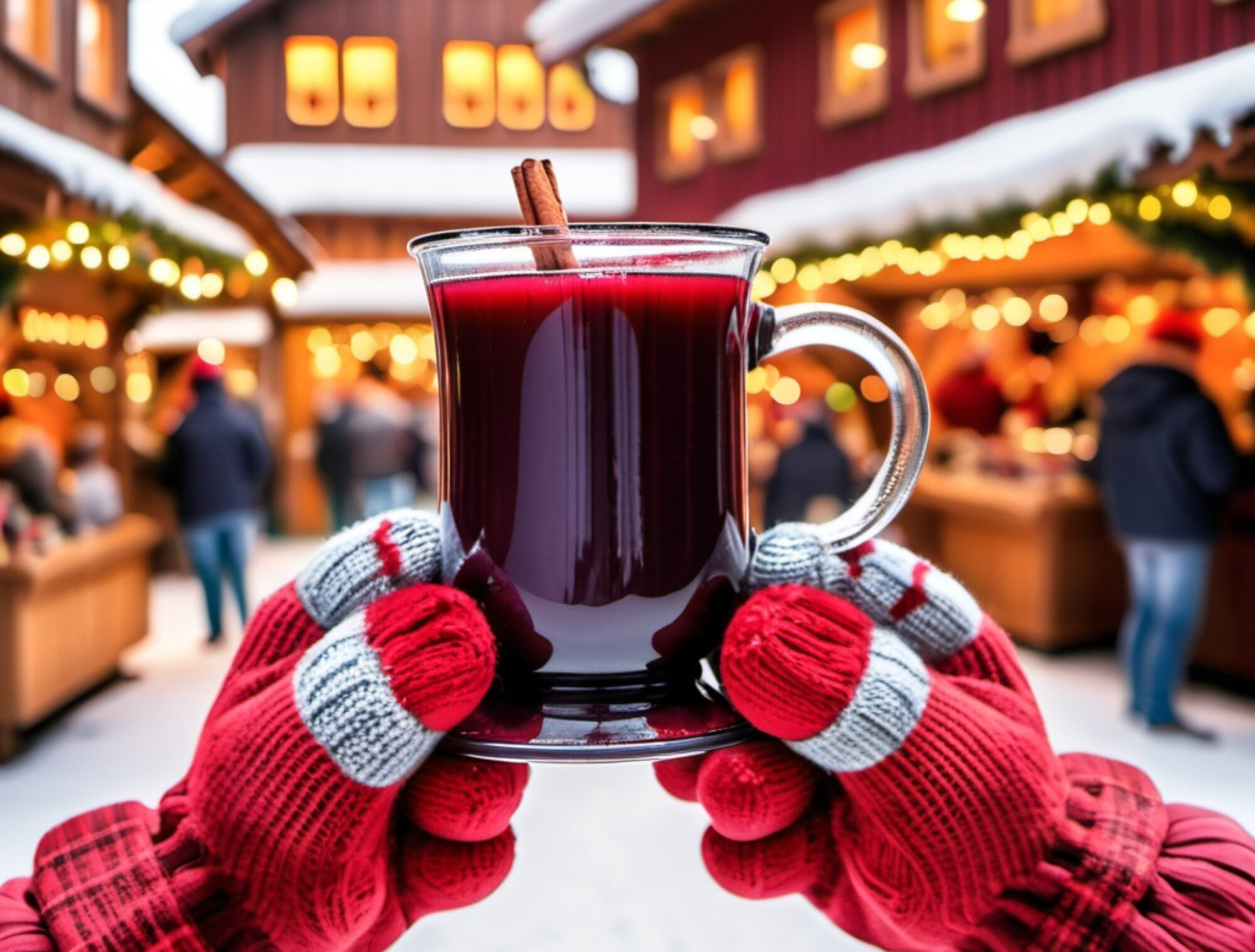
Glühwein (Mulled Wine) stands as the top of Christmas market beverages. This warm, spiced wine has become synonymous with holiday celebration across European Christmas markets, and for good reason. The combination of warming spices like cinnamon, cloves, and star anise creates an aromatic experience that draws customers from across your venue.

What makes glühwein so successful is its built-in demand. Customers don't need to be convinced: when they see, they immediately want to try. The beverage taps into deep cultural associations with comfort, tradition, and celebration. When you serve authentic mulled wine, you're not just selling a drink; you're selling a piece of holiday tradition that customers recognize and crave.

image_1

The Secret Weapon: Collectible Drinkware

Here's where Christmas market beverages get really clever. The most successful venues don't just serve great drinks: they serve them in collectible containers that become part of the experience. The European "pfand" system charges a deposit on themed ceramic mugs or decorative boots that customers can either return for a refund or keep as souvenirs.

This system creates multiple revenue streams:

  • Higher perceived value justifies premium pricing ($10-$15 per drink)
  • Many customers choose to keep mugs rather than return them, generating additional revenue
  • Collectible designs encourage repeat visits throughout the season
  • Themed mugs provide ongoing marketing as customers use them year-round

Smart restaurant owners design different mug styles each year, creating a collecting culture that brings customers back season after season. Some even entice customers by offering programs where with their new mug, refills are at a discount. The same thoughts that are successful in coffee shops will be successful here.

Creating the Atmosphere That Sells

The most successful Christmas market beverage programs understand that environment drives sales as much as the drinks themselves. Your venue's atmosphere needs to transport customers into a winter wonderland where $10 mulled wine feels not just reasonable, but necessary.

Outdoor heating elements like fire pits or heat lamps in a wintery (but wind blocked) beer garden creates legitimate reasons for customers to purchase warming beverages while encouraging them to linger longer and order more drinks. Throw a holiday lights up and keep the fire pits stocked and people will flock to this outdoor hangout.  Indoor venues can benefit from creating cozy zones with string lights, seasonal greenery, and warm lighting that suggests outdoor Christmas market charm.

Limited-time presentation is crucial. Running your holiday beverage program from mid-November through late-January creates urgency and exclusivity. Customers know these drinks won't be available year-round, which drives immediate purchase decisions and reduces price sensitivity.

image_3

Traditional recipes connect customers to authentic holiday traditions and culture, while creative variations showcase your venue's personality. The key is balancing familiar comfort with unique experiences that customers can't get elsewhere.

Pricing the experience

Holiday beverages consistently command premium pricing because customers understand they're purchasing more than just alcohol. They're buying:

  • Seasonal exclusivity
  • Cultural authenticity
  • Atmospheric experience
  • Collectible elements
  • Social media moments
  • Comfort and warmth

When positioned correctly, customers happily pay $10-$15 for drinks that might cost $6-$8 in regular service. The complete experience justifies the premium, especially when presentation, environment, and service all support the holiday theme.

The Social Media Multiplier

Today's most successful holiday beverage selections are designed with shareability in mind. Decorative mugs, atmospheric lighting, and theatrical preparation all create moments customers want to photograph and share. Each social media post becomes free marketing that reaches potential customers in their most relaxed, receptive mindset.

Operators could encourage sharing by creating designated photo spots, using branded hashtags, and even offering small discounts for customers who post about their experience. The visual appeal of hot holiday beverage makes them natural social media content.

image_4

Sourcing and Preparation Considerations

For restaurant owners interested in offering authentic mulled wine experiences, partnering with established suppliers can streamline operations while maintaining quality. Pre-made mulled wine solutions allow you to focus on presentation and atmosphere while ensuring consistent flavor profiles that meet customer expectations.

When partnered with specialized beverage dispensers – they can bring both the optimal product quality and seasonal timing. Nothing hurts a winter business than customers visually waiting in long lines waiting to get beverages.  The 17-and-2 rule applies here – when you have a great customer experience, most people tell 2 others; but if you have a negative experience, most people will share it 17 times.

Implementation Timeline and Best Practices

Start planning your holiday hot beverage program in early fall. This gives you time to:

  • Source pre-made options
  • Design and order collectible drinkware
  • Train staff on preparation and presentation
  • Develop marketing materials and social media content
  • Test recipes and refine your offerings

Launch your program the weeks leading up to Thanksgiving to capture early holiday enthusiasm, and maintain it through the New Year!  With Minnesota's long winter, customers regularly see sales of mulled wines well into March. This extended season maximizes revenue potential while giving customers multiple opportunities to visit and experience your offerings.

Making It Work for Your Venue

The beauty of hot holiday beverages is their adaptability. Whether you're running a cozy neighborhood bar, an upscale restaurant, or a casual dining establishment, you can create versions that fit your brand and customer base.

Focus on the elements that create the "selling themselves" effect: authenticity, atmosphere, exclusivity, and experience. When customers feel they're participating in something special and seasonal, they become eager purchasers rather than reluctant buyers.

Remember, successful beverage programs aren't just about the drinks: they're about creating traditions that customers anticipate and return to year after year. Build that anticipation, and your beverages will indeed sell themselves.
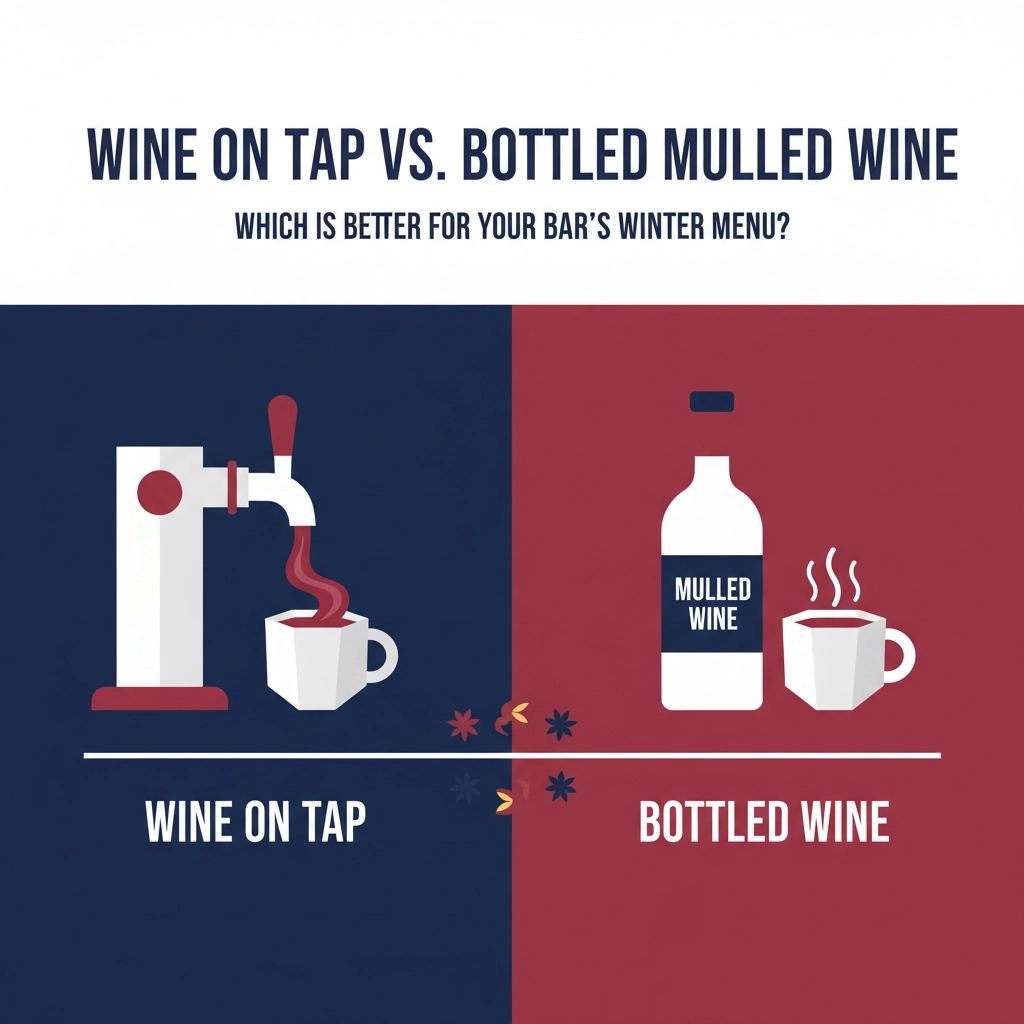
Wine on Tap vs. Bottled: Best Mulled Wine for Your Bar

heroImage

Winter is coming, and if you’re running a bar or restaurant, you’re probably thinking about how to warm up your drink menu. Two popular options keep coming up in conversations: wine on tap systems and bottled mulled wine. Both have their merits, but which one’s really going to serve your business better this season?

Let’s dive into this comparison so you can make the best choice for your establishment. We’ll look at everything from cost and convenience to customer experience and profit margins.

The Case for Wine on Tap: Fresh, Fast, and Profitable

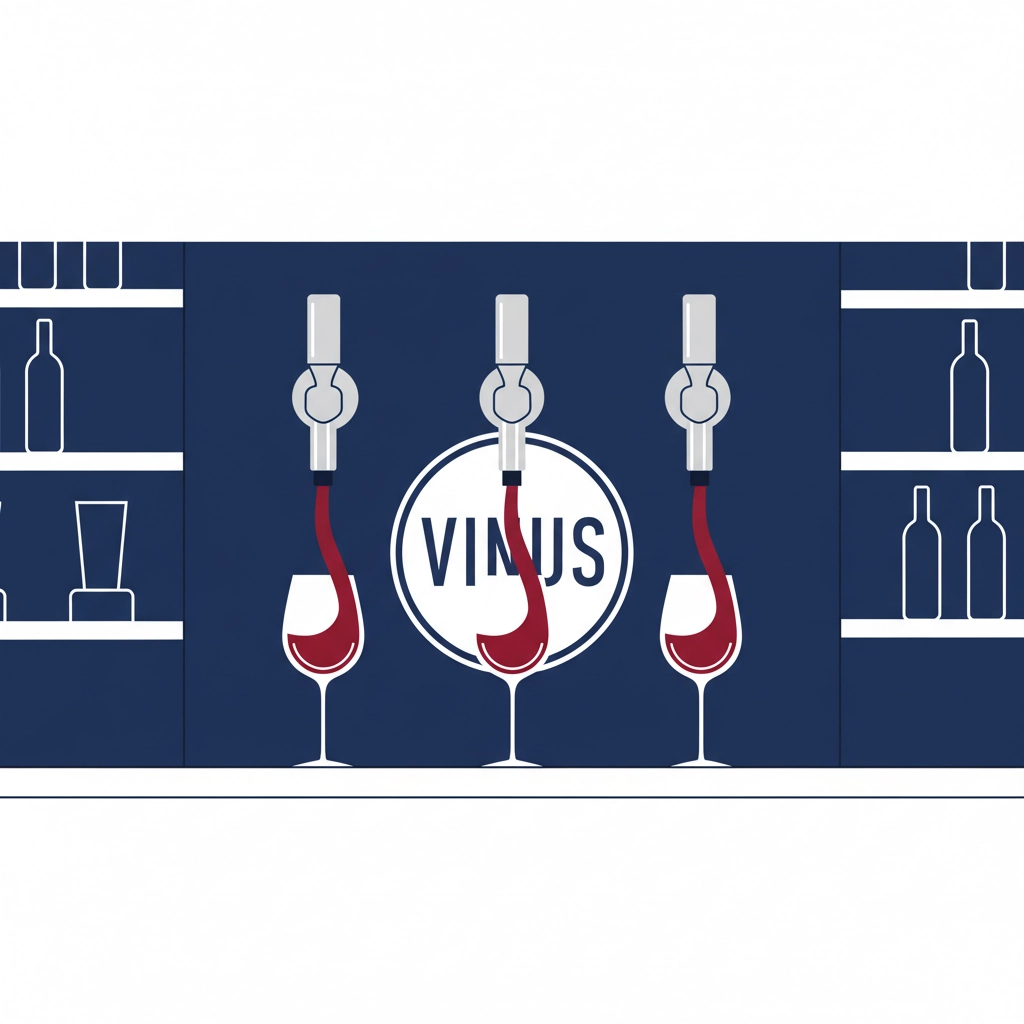
Wine on tap has been gaining serious momentum in the hospitality industry, and for good reason. When you’re serving wine from kegs, you’re getting exceptional freshness that bottled wine simply can’t match after it’s been opened. While customers all have different taste preferences, wine wholesalers (like Selten Wine) stock the mulled variety that is going to appeal to the greatest group of people – flavorful, aromatic, and consistent.

image_1

Each keg 20L holds roughly 90-100 glasses (and 30L hold 140-155) of 6.5oz wine: and stays fresh for up to three months once you’ve tapped it. Compare that to a bottle of wine that starts deteriorating within hours of opening, and you’ll see why many establishments are making the switch. The KeyKeg variety (https://www.keykeg.com/beverages/wine-keg/) has the mulled wine within a sealed gray bag on the inside, protecting it from Oxygen and UV light – the main killers of great wine.

Speed and Efficiency That Matters

Your bartenders will thank you for wine on tap. No more fumbling with foil, no more hunting for corkscrews, and definitely no more time wasting on getting the cups hot with wine during busy periods. Pour times drop significantly, which means happier customers and better table turnover.

We’ve seen bars significantly reduce their wine service time just by switching to tap systems. When you’re slammed on a Friday night, those seconds add up to minutes, and minutes add up to more satisfied customers because their wait has ended and thirst is quenched.

Cost Benefits You Can Bank On

Here’s where wine on tap really shines. According to Keykeg (https://www.keykeg.com/beverages/wine-keg/), one 20 L KeyKeg replaces almost 27 bottles of wine (a 30 L KeyKeg replaces 40), meaning 16 kg less glass waste and 1.6 kg less cardboard waste. Empty wine Kegs can be crushed to further save precious space too.

You’re eliminating all the packaging costs associated with individual bottles, and most establishments see their installation costs paid back within the first 3 kegs. The math is pretty straightforward: less waste from oxidation, no spoiled bottles, and better portion control all contribute to your bottom line.

Many bars find they can offer premium wines at more competitive prices: think $6-8 per glass instead of $10 and up. Your customers get better value, and you still maintain healthy margins.

Bottled Mulled Wine: Tradition Meets Convenience

Now, let’s talk about bottled mulled wine. This is where tradition meets the practical needs of running a busy establishment. Mulled wine has that nostalgic, cozy factor that regular wine just can’t replicate, especially during winter months.  Some wine drinkers are red-only, others white, and others enjoy fruit wines, or want a non-alcoholic version.  With bottled mulled wine, you have the flexibility to test your customer base to see what flavors resonate and what doesn’t.

image_2

The Seasonal Appeal Factor

There’s something magical about serving mulled wine that goes beyond just the drink itself. It’s the aroma of cinnamon and cloves wafting through your establishment, the visual appeal of steam rising from warm glasses, and that instant “winter wonderland” atmosphere that customers crave during colder months.

Bottled mulled wine gives you this experience without the complexity of making it from scratch every day. You’re getting consistent flavor profiles, reliable quality, and the convenience of simply heating and serving.

Operational Simplicity

With bottled mulled wine, your staff training is minimal. Heat it up, serve it warm, and you’re done. There’s no need for specialized equipment beyond basic warming systems, and you don’t have to worry about recipe consistency across different shifts or bartenders.

The Real Cost Comparison

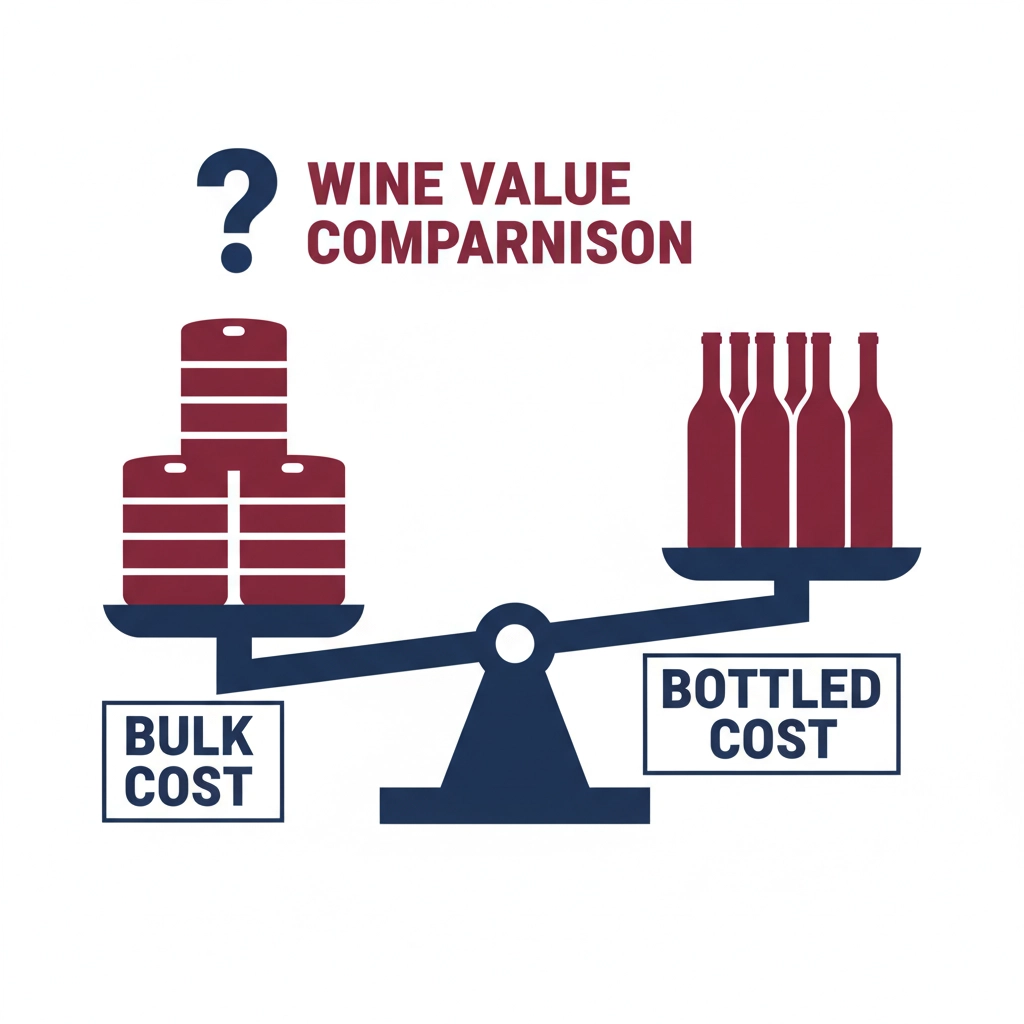
Let’s get into the numbers that matter to your business. Wine on tap typically requires an initial investment in dispensing equipment, but the ongoing costs are generally lower per serving. You’re looking at equipment costs that range from moderate to significant depending on how many taps you install, but the payback period is within the first few kegs per tap.

Bottled mulled wine has lower upfront costs: you mainly need warming equipment: but the per-bottle cost is typically higher. You also have the option of offering not just red wine, but the flexibility to keep on-hand stock of other flavors like white wine, non-alcoholic, blueberry, cherry, etc etc.

image_3

Volume Considerations

If you’re expecting high wine volume throughout the winter, wine on tap makes more financial sense. The per-serving cost decreases significantly with volume, the systems allow you to serve more customers faster, and you eliminate waste from opened bottles that don’t get finished.

For establishments with very low wine sales or those wanting to test the market for winter wine offerings, bottled mulled wine may be preferred as the financial risk is more palatable.

Customer Experience: What Your Guests Really Want

This is where things get interesting. Your choice between wine on tap and bottled mulled wine isn’t just about operational efficiency: it’s about the experience you want to create.

Whichever option you choose – it’s about bringing seasonal tradition, warmth, and comfort to your business and customers. Customers aren’t just buying a drink; they’re buying into a winter ritual that connects them to centuries of traditionimage_4

Making the Strategic Choice

Here’s our recommendation: consider your establishment’s identity and customer base first. Are you going for efficiency and value, or flexibility on a budget?

Choose Wine on Tap If:

  • You serve high volumes of wine year-round and a mulled wine would compliment your brand image
  • Storage space limits and packaging waste reduction are priorities
  • You need operational efficiency during busy periods

Choose Bottled Mulled Wine If:

  • You’re testing winter wine demand without major investment
  • You’re interested in trying out several types of mulled wine (red, white, Non-Alcholic)
  • You have limited space for tap systems

Final thoughts:

Successful establishments don’t stress about choosing one or the other: they can do both. Wine on tap handles a booming mulled wine program efficiently with popular traditional flavors that are bound to a hit with most drinkers, while bottled mulled wine provides the flexibility of several types (red, white, and Non-alcoholic) that keeps customers coming back for the winter experience.

The key is understanding your market and matching your offerings to what your customers actually want. Whether you choose wine on tap, bottled mulled wine, or have some of both, make sure your decision aligns with your overall business strategy and customer expectations. Know that as businesses change over time, so must your beverage strategy.

For more information about implementing either option in your establishment, explore our beverage distribution solutions to find what works best for your winter menu strategy.

Premade Mulled Wine: The Must-Have Winter Drink for 2025

heroImage

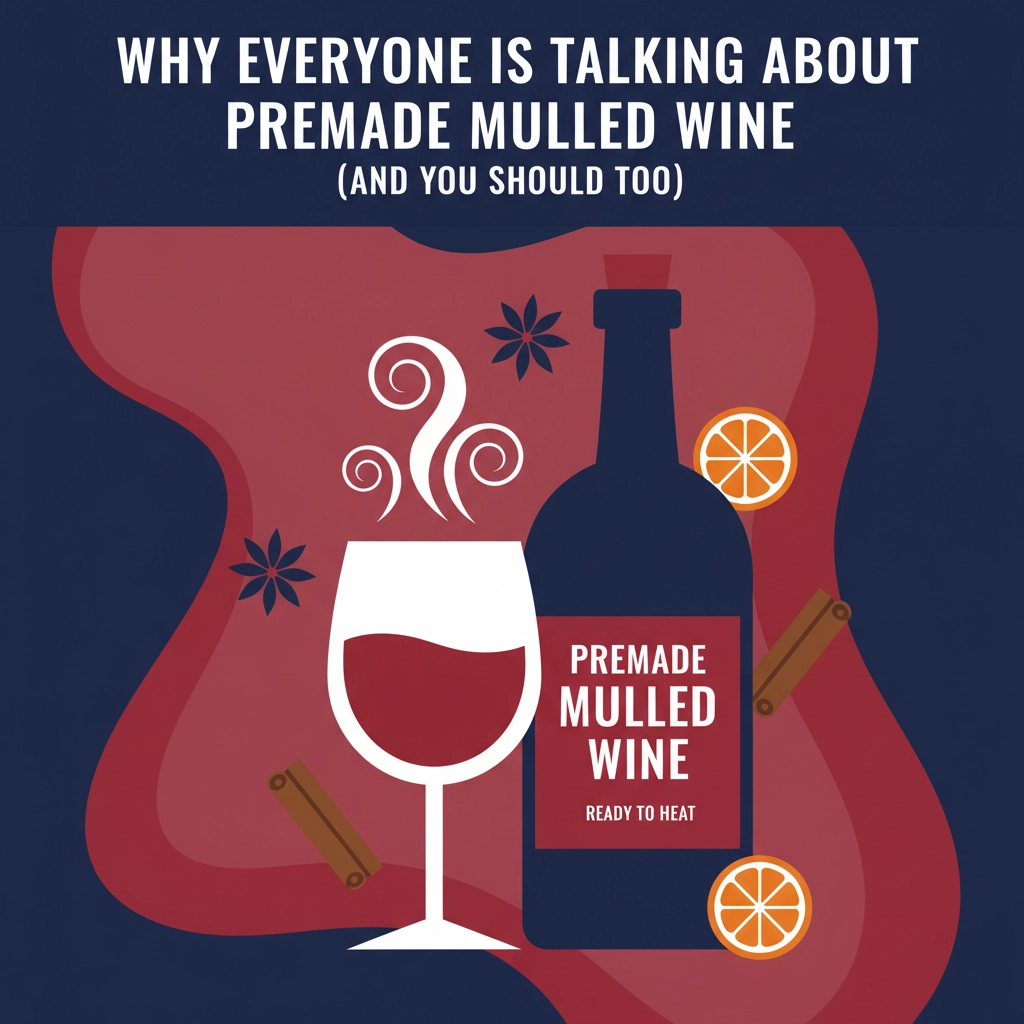
Walk into a wine shop, restaurant, or bar this season, and you’ll may hear the same conversation: mulled wine is on the rise! What was once considered a niche holiday drink you had to simmer at home for hours has transformed into one of the most sought-after beverage options for businesses and consumers alike. If you haven’t jumped on this trend yet, here’s why you should consider it: and why your customers will thank you for it.

The Health Benefits Everyone’s Talking About

The surge in mulled wine popularity isn’t just about convenience: it’s backed by some pretty impressive health science. We’re seeing more health-conscious consumers choose mulled wine because of its proven wellness benefits, and premade versions make these benefits accessible to everyone (overview: https://pmc.ncbi.nlm.nih.gov/articles/PMC9955827/).

image_1

The cardiovascular benefits of wine are well documented. Moderate mulled wine consumption provides antioxidants that help reduce cardiovascular stress, while the traditional spices like cinnamon and ginger offer their own heart-healthy properties (see reviews on red wine polyphenols and heart health: https://pmc.ncbi.nlm.nih.gov/articles/PMC9955827/; cinnamon and blood pressure: https://pubmed.ncbi.nlm.nih.gov/32032898/; ginger and blood pressure: https://pubmed.ncbi.nlm.nih.gov/30972845/).

Perhaps most relevant during cold season, studies show that moderate mulled wine consumers experience a 40% reduction in cold risk thanks to the immune-boosting antioxidants. Your customers aren’t just enjoying a delicious drink: they’re giving their immune systems a gentle boost during the months they need it most (study: https://pubmed.ncbi.nlm.nih.gov/11978590/).

Convenience Meets Quality

Let’s be honest: traditional mulled wine preparation is time-intensive. You need to select the right wine varietals, balance multiple spices, monitor heating temperatures, and hope everything comes together perfectly. For busy restaurant owners, bar managers, and even event venues, this process can be overwhelming during the already hectic holiday season.

Premade mulled wine eliminates all of this complexity while delivering consistent, professional results every time. No more guesswork about spice ratios or worrying about overheating and losing alcohol content. No more disappointed customers when a batch doesn’t turn out quite right.

We’ve seen establishments increase their mulled wine sales by 300% simply by switching from made-to-order to a premium premade option. The consistency factor alone has transformed how businesses approach this seasonal offering.

image_2

The Business Case Is Stronger Than Ever

From a business perspective, premade mulled wine addresses several critical operational challenges that make it increasingly attractive to establishments of all sizes.

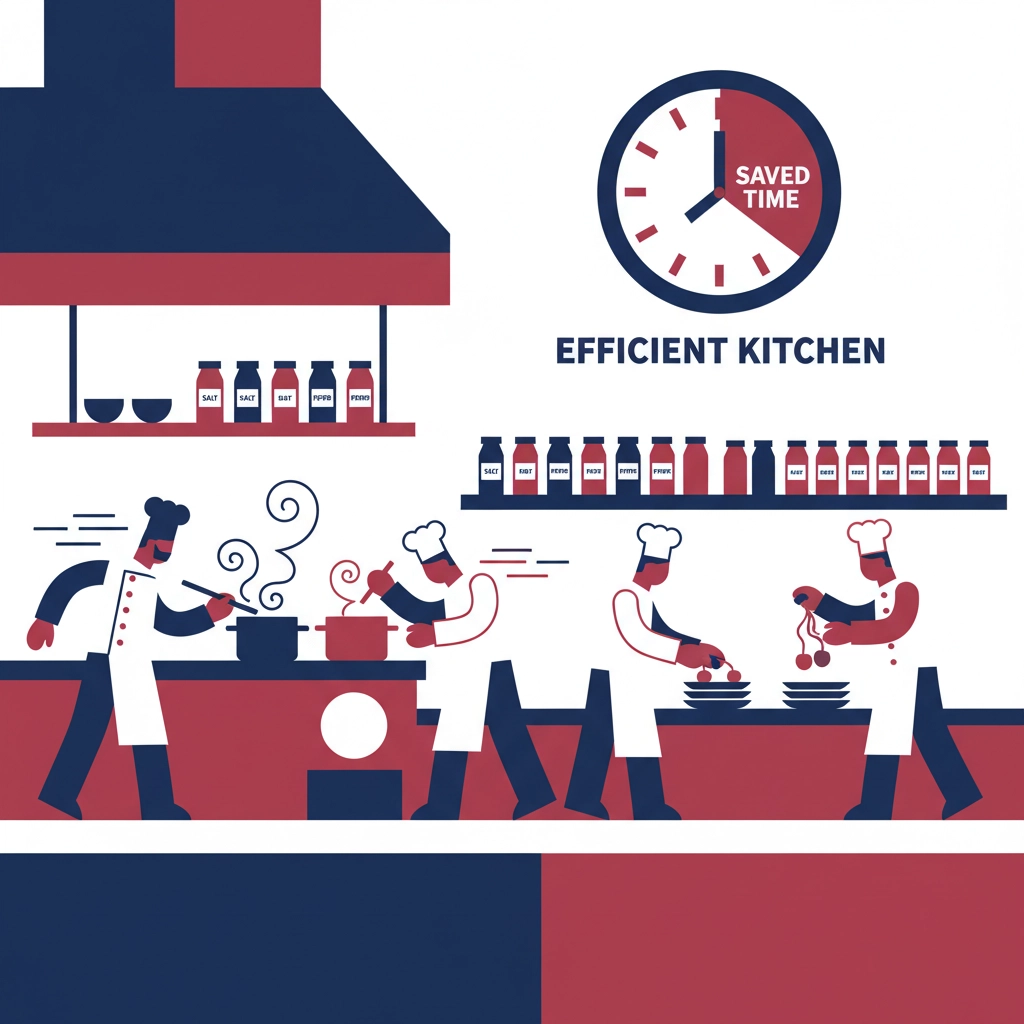
Labor costs represent one of the biggest advantages. Instead of having staff dedicate time to preparation, monitoring, and cleanup, premade options free up your team to focus on customer service and other revenue-generating activities. During busy holiday periods when every minute counts, this efficiency gain can significantly impact your bottom line.

Inventory management becomes dramatically simpler. Rather than stocking multiple wines, various spices, and citrus fruits: all with different shelf lives and storage requirements: you’re dealing with a single, shelf-stable product that’s ready to serve immediately.

The profit margins often surprise business owners. While the initial cost per unit might seem higher than making your own, when you factor in labor, waste reduction, and consistent portion control, premade options frequently deliver better profitability. Plus, the convenience factor allows you to charge premium prices that customers happily pay for the authentic experience.

Meeting Modern Consumer Expectations

Today’s consumers expect quality, consistency, and convenience: especially during the holiday season when time is precious and expectations are high. Premade mulled wine delivers on all three fronts in ways that homemade versions often struggle to match.

Consistent flavor profiles mean customers get the same excellent experience every time they order. This reliability builds customer loyalty and encourages repeat business throughout the season and beyond.

The premium positioning of quality premade mulled wines actually enhances the perceived value of your offering. Customers appreciate knowing they’re getting a carefully crafted product rather than a hastily prepared substitute.

image_3

Social media has also played a role in driving demand. Instagram-worthy presentations of perfectly spiced, beautifully garnished mulled wine generate buzz and attract new customers. Premade options ensure your drinks photograph beautifully every time, supporting your marketing efforts naturally.

Cultural Connection and Authenticity

Mulled wine carries deep cultural significance that resonates with customers seeking authentic experiences. Known as Glögg in Sweden, Glühwein in Germany, and Vin chaud in France, this warming beverage has been bringing people together since the Greeks invented it in the second century.

This rich heritage creates emotional connections that drive consumer interest, particularly among customers seeking to recreate European Christmas market experiences or connect with family traditions. Premium premade options honor these traditions while making them accessible to modern lifestyles.

The social aspect can’t be overlooked either. Mulled wine naturally creates atmosphere and encourages lingering: exactly what restaurants and bars want during the profitable holiday season. Customers tend to stay longer, order more, and bring friends back for the experience.

Quality Without Compromise

One concern we often hear about premade mulled wine is whether it can match the quality of freshly made versions. The reality is that premium premade options often exceed homemade quality because they’re created by beverage professionals using carefully selected ingredients and precise preparation methods.

Professional-grade spice blending ensures optimal flavor balance that’s difficult to achieve in small-batch preparation. Quality wine selection means the base wine is chosen specifically for mulling, rather than whatever happens to be available.

Controlled production environments eliminate variables that can affect homemade batches: temperature fluctuations, timing inconsistencies, or ingredient quality variations. The result is often superior to what most establishments could produce themselves.

image_4

The Growing Market Opportunity

The premade mulled wine market is expanding beyond traditional holiday seasonality. We’re seeing year-round demand from customers who’ve discovered the health benefits and unique flavor profile. Restaurants are incorporating it into autumn menus, and bars are featuring it as a warming cocktail base throughout winter months (background on potential health aspects: https://pmc.ncbi.nlm.nih.gov/articles/PMC9955827/).

This extended season creates sustained revenue opportunities that justify the investment in quality premade options. Rather than a six-week holiday specialty, mulled wine is becoming a four-to-six-month profit center for forward-thinking establishments.

Making the Switch

If you’re considering adding premade mulled wine to your offerings: or upgrading from homemade to premium prepared options: the timing couldn’t be better. Consumer awareness and demand are at all-time highs, and the operational benefits make it an easy addition to any beverage program.

Look for suppliers who can provide consistent quality, reliable delivery, and support for your specific serving needs. Whether you’re planning to offer mulled wine by the glass, bottle service, or take-home options, the right premade solution can transform this traditional drink into a modern profit driver.

image_5

The conversation around premade mulled wine isn’t just industry buzz: it’s a reflection of changing consumer priorities and business needs. Health-conscious customers want the proven benefits of mulled wine without compromising on quality or convenience (overview: https://pmc.ncbi.nlm.nih.gov/articles/PMC9955827/). Business owners need profitable offerings that don’t strain operations during busy periods.

Premade mulled wine delivers on both fronts, which is exactly why everyone’s talking about it. The question isn’t whether this trend will continue: it’s whether you’ll be part of it.

Ready to explore how premade mulled wine can benefit your business? We encourage you to contact us to learn more about our premium mulled wine options and how they can enhance your beverage program this season and beyond.